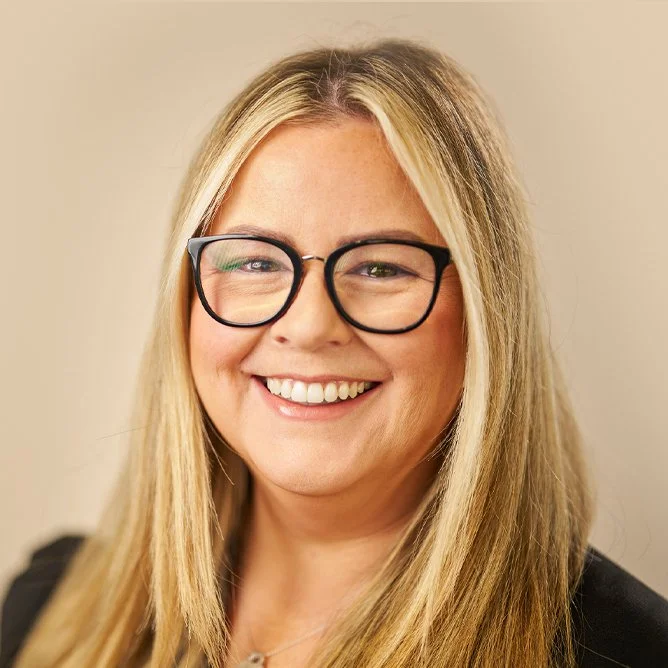
Building a More Inclusive Future with Women Leading Change
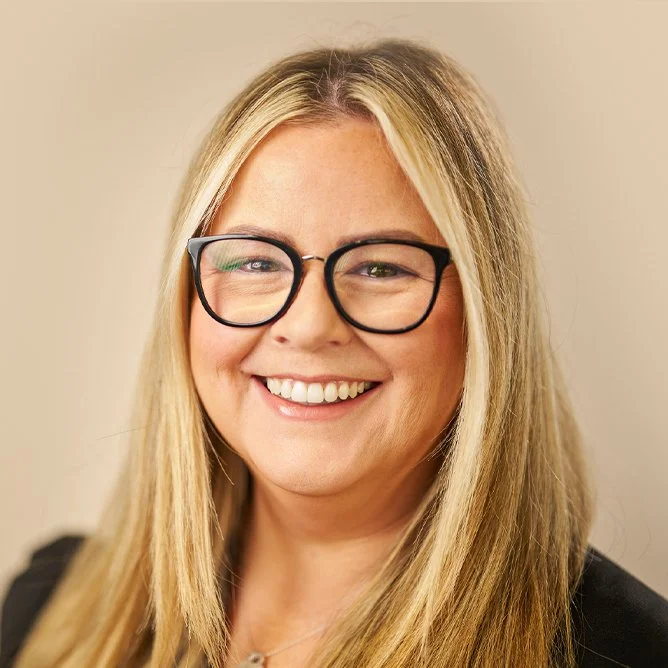
“That collaborative spirit is what drives my involvement with Female Leaders in Construction (FLIC), a networking group dedicated to supporting, connecting and empowering women in construction and working across the built environment.”
Louise Chambers, Commercial Real Estate Partner at Burness Paull and Female Leaders in Construction (FLIC) Advisory Board member
The construction industry, much like the legal profession, has traditionally been viewed as a male-dominated world, particularly at its upper echelons. Both are sectors where the path to senior leadership hasn’t always been straightforward for women. My own route to partnership at Burness Paull was far from linear, but it was shaped by the invaluable support of mentors, both male and female, who believed in my potential and helped me grow.
That collaborative spirit is what drives my involvement with Female Leaders in Construction (FLIC), a networking group dedicated to supporting, connecting and empowering women in construction and working across the built environment. I don’t claim to have all the answers, but I do believe passionately in sharing experiences, learnings, and opportunities. Development is a significant part of my practice area, but our sectors are aligned in many ways, and there’s so much we can learn from one another as we continue to champion diversity and inclusion across the professions.
There’s no denying that barriers remain for women looking to reach senior roles in business, particularly in construction and development, but attitudes are changing, and there are clear signs of progress. At Burness Paull and among our clients, I’m seeing a more diverse demographic coming through, people who are unafraid to question the status quo and who expect equality, inclusivity, and flexibility from their employers.
It’s vital that those of us already in senior positions act as visible role models, for both our peers and the next generation. Breaking barriers is never easy, and women often face additional challenges balancing career progression with caring responsibilities or navigating networks that remain predominantly male. Recognising that the journey is not the same for everyone is key. Support looks different too: for women, it’s about access to the same business opportunities and networks as men, but also about removing the practical and cultural barriers that can hold them back.
In my early career, I would often join meetings where I was the only woman in the room. That can be daunting, particularly when you’re just starting out. Yet whenever there was another woman present, there was an unspoken understanding, a quiet thread of solidarity that still resonates with me today. That sense of community is what networks like FLIC help to build and strengthen.
Encouragingly, younger professionals entering the workforce today are different. They ask about diversity and inclusion at interviews, and they expect fairness to be part of the culture from the start. For a whole variety of reasons, these women have the opportunity to grow and progress as the business also develops.
However, I believe the women in most need of our support right now are those in the middle stage of their career. Businesses are becoming more aware of unconscious bias and the value of more diverse leadership teams, but the pace of change often isn’t fast enough for those talented women ready to take the next step, to be recognised now.
At Burness Paull, we’ve been working hard to accelerate progress. We were proud to be the first law firm to sign the Pathways Pledge, an initiative born from the Scottish Government’s Pathways: A New Approach for Women in Entrepreneurship report. Through this, we’ve committed to improving equal access to work, business development opportunities, and career progression for women, as well as recognising those who make positive cultural contributions.
Change is happening and it’s inspiring to see it in action. Every time a colleague breaks a barrier, every time a company takes a step forward, we move closer to the inclusive industries we all want to see. Networks like FLIC play a crucial role in that journey: sharing challenges, celebrating success, and helping us all push the pace of progress. Because the future of law, construction, and business as a whole is stronger when it’s built by everyone.
Louise Chambers is Commercial Real Estate Partner at Burness Paull and Female Leaders in Construction (FLIC) Advisory Board member www.weareflic.org